
Categories
Market UpdatesPublished August 16, 2026
What to Know About Retirement Communities in Whittier, CA

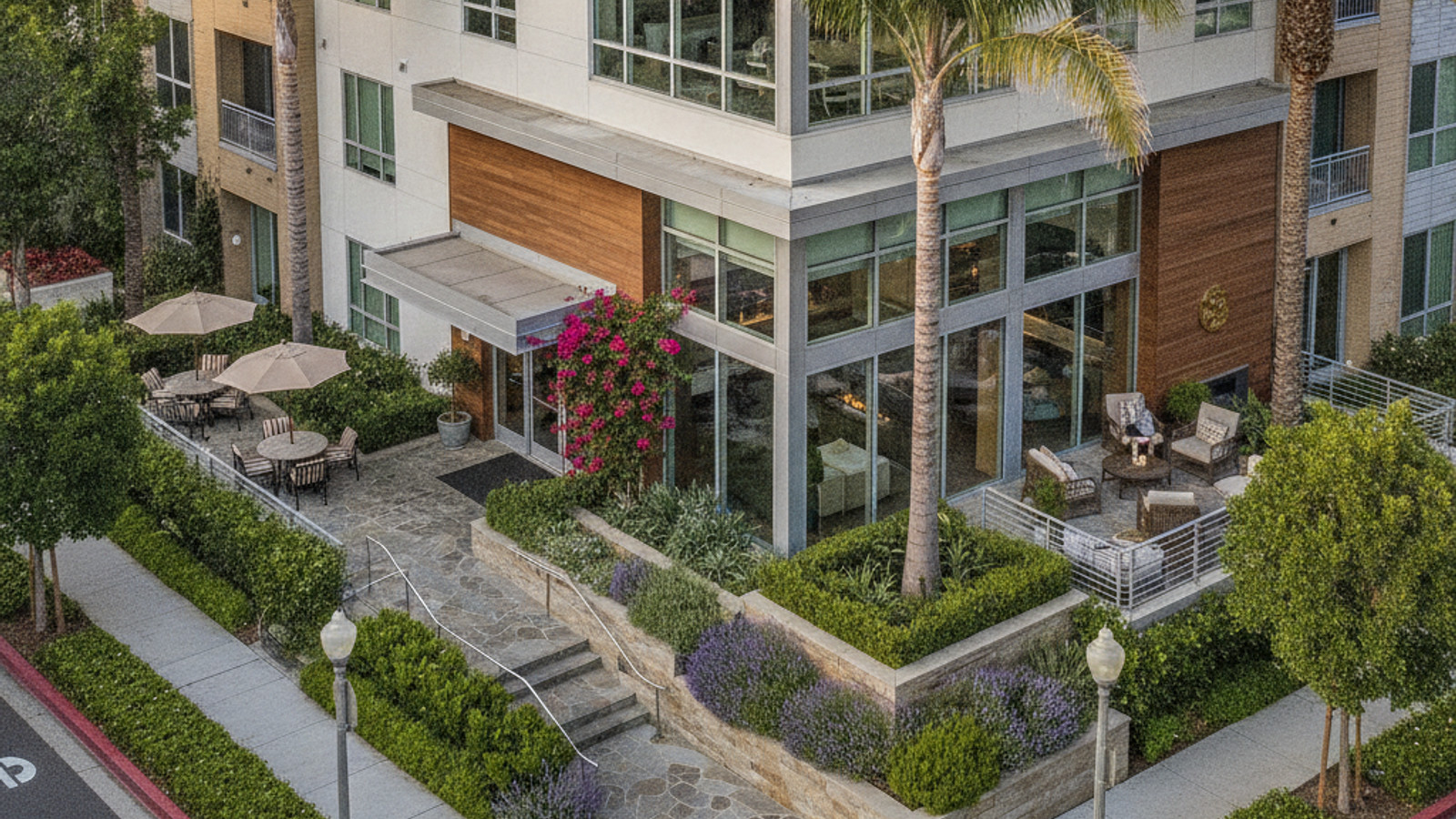
The median home price in Whittier, CA is around $887,000, and homes are moving in about 37 days. For older adults thinking about downsizing or making a move into an age-restricted community, knowing what living in Whittier, CA actually looks like is the right place to start. Whittier has independent apartments, assisted living facilities, and subsidized senior housing across a range of budgets - so the options are real, but so are the trade-offs.
What you're really weighing is upfront cost, monthly overhead, and how much care you need now versus how much you might need later. A rental near the shops in Uptown is a very different decision from a continuing care facility designed to follow you through changing health needs. Read the property rules carefully, understand the entrance fees, and take a hard look at local amenities before you commit to anything.
Whittier Senior Living at a Glance
Whittier covers a few distinct categories of senior housing, and they don't all work the same way. Active adult communities are built for independent residents who want less maintenance and more social programming. Assisted living facilities and continuing care retirement communities - CCRCs - come into play when you need daily support with meals, medication, or getting around.
The broader Whittier real estate market currently sits at about 2.3 months of supply, which makes it competitive for anyone shopping for a single-family home or condo. Specialized senior housing operates on its own logic: subsidized buildings often carry waitlists, while luxury rentals may have units available right now. Availability really does come down to the specific property type.
The 80/20 Rule for Age Requirements
Under the federal Housing for Older Persons Act (HOPA), most 55+ properties operate under an 80/20 rule. At least 80% of occupied units must have at least one resident who is 55 or older. The HOA or management company enforces that ratio to keep the property's legal status as age-restricted.
The remaining 20% of units can technically house younger residents - but most communities write their own bylaws to be stricter than the federal floor. Always read the specific HOA documents. Whether a younger spouse, an adult child, or an underage heir can live on the premises depends entirely on what that individual community has decided.
Featured 55+ Neighborhoods and Properties
Senior housing here runs from premium complexes down to more budget-conscious apartments, and a lot of these buildings sit near major transit routes or shopping centers for residents who don't drive. True 55+ single-family tract neighborhoods are rare in areas like East Whittier, though residential streets near the Whittwood Town Center give you something close to that feel.
The line between independent living and medical care matters more than most people realize when they're first shopping. Amenities, resident counts, and lease terms shift substantially depending on what a property's primary focus actually is.
Higher-End and Luxury Options
Whittier has several properties aimed at residents who want premium amenities and social programming. Whispering Fountains Whittier offers one- and two-bedroom homes in a 55+ setting. Posada At Whittier provides a maintenance-free lifestyle with a cafe, with studio and one-bedroom units for up to 99 residents.
Brookdale Central Whittier operates a 92-unit 55+ community. Walnut Villa runs at a smaller scale, with landscaped gardens and a social lounge.
Income-Restricted and Subsidized Properties
For buyers and renters who need more affordable options, several HUD-subsidized and income-restricted properties operate in the city of Whittier. William Penn Manor is at 7025 Friends Ave; Whittier Lutheran Towers is nearby at 7215 Bright Ave. TELACU Villa Hermosa offers 74 low-income senior units near the 5 freeway, and Whittier Springs provides another restricted-income option.
Eligibility comes down to local income limits. For 2026, the Los Angeles County Area Median Income (AMI) for a four-person household is $108,100. The county defines "Very Low-Income" as 50% or less of the AMI, and "Extremely Low-Income" is capped at 30%.
Expected Costs for Senior Housing
General senior living communities in the Whittier area - assisted living and low-income senior housing included - average around $5,000 per month. That figure moves based on unit size, where in the city you're looking, and what level of care is involved. Standard Whittier real estate selling for roughly $887,000 means downsizing homeowners often bring real equity to the table when it comes time to cover those monthly costs.
If you're looking strictly at independent 55+ apartments, your monthly overhead will be considerably lower than assisted living. Buyers purchasing condos or homes in age-restricted communities should factor HOA dues into their budget - though specific HOA fee averages for Whittier senior communities aren't publicly aggregated anywhere, so you'll need to ask each building directly.
Apartment Rents and Monthly Fees
The average cost for a senior apartment in Whittier is roughly $1,651 per month, with most units falling somewhere between $1,421 and $2,536 depending on the building and unit size. Those figures generally cover the space and basic maintenance - specialized medical care and daily meal services are usually separate.
Continuing Care Entrance Fees
CCRCs use a different financial structure than a standard apartment or condo. There's a large upfront entrance fee, then ongoing monthly charges on top of that. Specific entrance fee data for Whittier CCRCs isn't available, but California-wide figures give you a working baseline: entrance fees in the state typically start at $100,000 and can reach up to $1,000,000.
Nationally, the average CCRC entrance fee runs around $400,000, with monthly fees averaging $4,285. That upfront cost buys you a guaranteed path from independent living into assisted care or skilled nursing as your health needs change - which is the point of the CCRC model.
Life in Whittier for Retirees
Whittier is a suburban city with distinct commercial districts and solid medical infrastructure. The Uptown district has palm-lined streets, local shops, and restaurants - pedestrian-friendly enough that daily errands don't require a car. The city doesn't have an aggregated Walk Score, but Uptown specifically supports that kind of foot traffic.
Healthcare proximity matters when you're choosing where to live long-term. PIH Health Whittier Hospital is the primary local facility, offering emergency and specialized care to residents across the city.
Evaluating the Neighborhoods
East Whittier is largely residential, positioned near the Whittwood Town Center for quick access to retail and groceries. Uptown Whittier is the right fit if you want historic architecture and independent dining within walking distance. They're genuinely different places to live, and which one works for you depends a lot on whether you still drive.
Residents who don't drive often prefer the density of Uptown. Those with vehicles may find the quieter residential streets further east more appealing. Worth touring both before you decide.
Pros and Cons of Age-Restricted Neighborhoods
The case for a 55+ property is straightforward: you get an environment built around older adults, with single-story layouts, grab bars, organized social programming, and shared spaces designed for this demographic. Properties like Posada At Whittier and Walnut Villa are built around exactly those features.
The downsides are real, though. CCRCs require significant upfront capital, and standard 55+ HOAs can impose rigid rules around visitors, parking, and property modifications. If your living situation changes, younger family members generally can't move in permanently - that's not a fine print issue, it's a structural feature of how these communities work.
Frequently Asked Questions
What are the average HOA fees for 55+ retirement communities in Whittier, CA?
Specific HOA fee averages for Whittier senior communities aren't publicly available. General senior living costs in the area average around $5,000 per month, which typically includes housing and amenities - but traditional HOA dues for privately owned condos will vary by building, so you'll need to ask each one directly.
Can a younger spouse or adult child live with me in a Whittier age-restricted community?
It depends on the property. Federal law only requires 80% of units to have a resident who is 55 or older, but individual HOAs often write stricter bylaws that may prohibit anyone under a certain age from living there permanently. Read that specific community's governing documents before you assume anything.
What happens if I inherit a home in a Whittier 55+ neighborhood but don't meet the age requirement?
You can typically take ownership, but you likely can't live in it. Most communities require residents to meet the age minimum, which means underage heirs usually have to sell the home or rent it to a qualifying tenant.
Do Whittier retirement communities mostly offer mobile homes, or are there single-family and condo options?
Whittier primarily offers senior apartments, assisted living units, and condos rather than 55+ single-family tract neighborhoods. Properties range from luxury apartment homes at Whispering Fountains to studio units at Posada At Whittier.
Are you allowed to rent out your property in a Whittier active adult community if you decide to travel or move?
That's entirely up to the HOA's governing documents. Some communities allow rentals as long as the tenant meets the 55+ age requirement; others prohibit leasing outright to maintain high owner-occupancy rates. There's no single rule across Whittier - you have to check the specific property.
How do the costs of independent 55+ communities in Whittier compare to local assisted living facilities?
Independent senior apartments average around $1,651 per month in Whittier. Assisted living runs significantly higher - averaging around $5,000 per month locally - because it includes daily personal care, meals, and medical monitoring. That's a meaningful gap, and it's worth being honest with yourself about which level of support you actually need.
or another way