
Categories
Market UpdatesPublished May 21, 2026
Moving to Whittier, CA: A 2026 Guide to the Cost of Living in Whittier CA

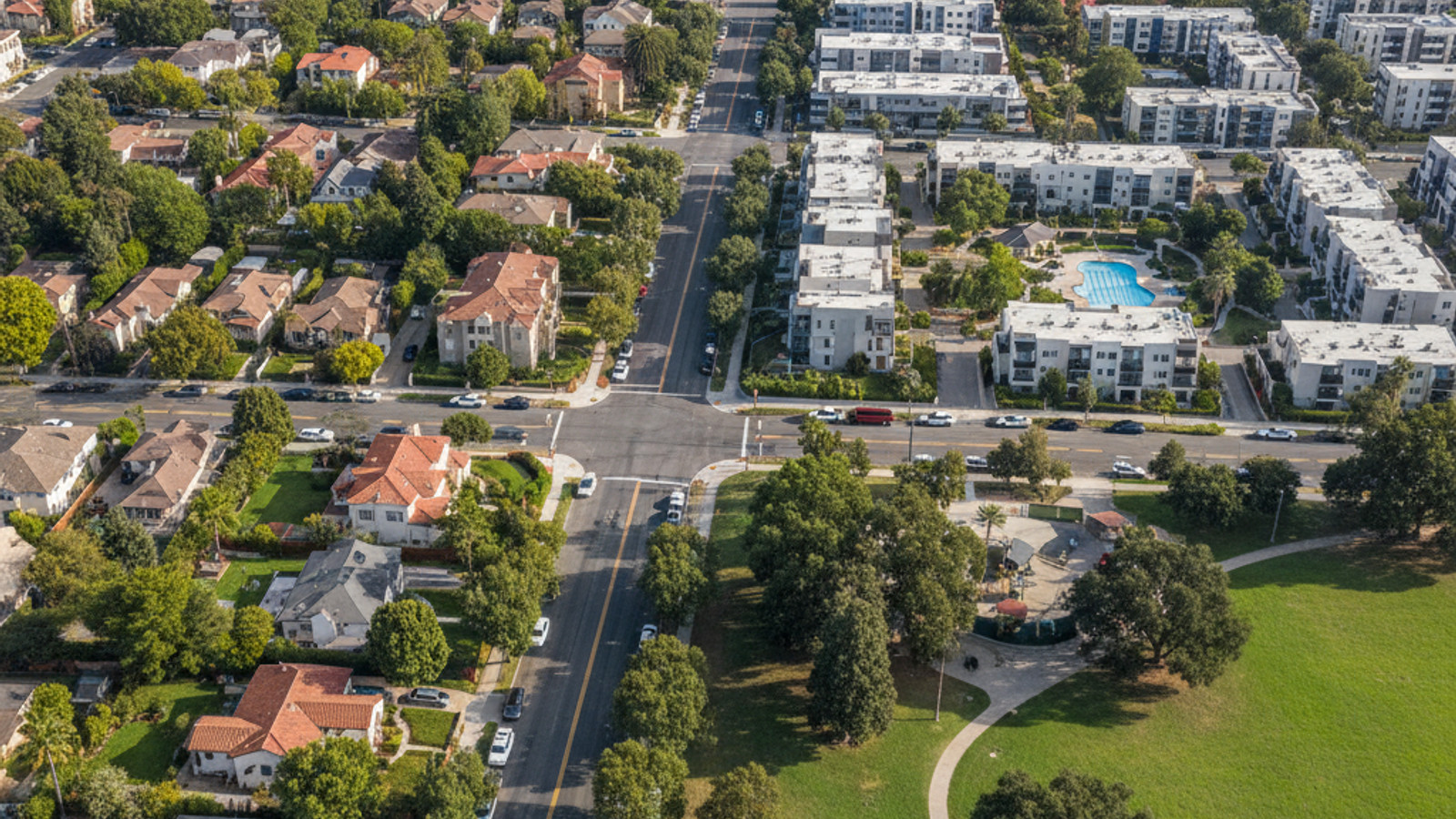
Relocating to Southern California requires a clear understanding of regional expenses, and Whittier presents a unique financial landscape within Los Angeles County. Situated roughly 12 miles southeast of Downtown Los Angeles, this city offers a distinct blend of historic architecture, established retail corridors, and extensive park systems. Buyers and renters looking at the cost of living in Whittier CA need accurate, up-to-date figures to make informed financial decisions in 2026.
Real estate prices, utility rates, and transportation expenses fluctuate, making it crucial to look beyond national averages when planning a budget. While Whittier operates within the broader California economic framework, local housing inventory and municipal assessments shape the actual day-to-day costs. This guide breaks down current home values, median rents, and everyday expenses to help you accurately project your monthly budget.
Understanding the Cost of Living in Whittier, CA
Evaluating the financial requirements of this region requires looking at how local expenses index against the rest of the country. In 2026, the overall cost of living in Whittier sits approximately 40% to 56% higher than the national average. This premium is heavily driven by the Southern California housing market and regional transportation costs.
Despite tracking higher than the national baseline, expenses here remain closely aligned with the overall California state average. Housing and transportation consistently consume the largest portions of a local resident's monthly budget. Planning for these two major expense categories is the most effective way to ensure long-term financial stability.
A household's gross income ultimately dictates its comfort level when absorbing these regional costs. Buyers must carefully balance their desired property type with the reality of Los Angeles County utility and commuting expenses. Approaching the market with realistic expectations about state-level pricing prevents unexpected financial strain after moving.
Whittier Housing Costs: 2026 Home Prices and Trends
The real estate market remains the most significant factor for anyone calculating their relocation budget. Current 2026 median home sale prices in Whittier range from approximately $800,000 to $870,000, depending heavily on the specific neighborhood. Inventory levels dictate the pace of the market, with properly priced homes moving efficiently through the escrow process.
Purchasing costs vary significantly across different property types and geographic zones within the city limits. Detached single-family homes in established residential sectors like East Whittier often command premium pricing compared to smaller footprints in South Whittier. Townhomes offer a more accessible entry point, though buyers must account for monthly structural and maintenance assessments.
Homeowners association fees can add anywhere from $200 to over $500 to a buyer's monthly housing expense in planned communities. Current interest rates combined with local inventory constraints directly impact overall purchasing power. Securing pre-approval early is essential for understanding exactly how these local price points translate into a monthly mortgage payment.
Average Rent and Apartment Pricing in Whittier
The rental market provides an alternative for those not yet ready to purchase a home in Los Angeles County. Median rent figures fluctuate based on property size, location, and the level of amenities offered by the management company. Renters will find a mix of mid-century apartment complexes, newer townhome developments, and detached single-family homes available for lease.
Understanding current lease rates helps renters determine the necessary household income to comfortably afford a unit. Property managers typically require applicants to demonstrate a gross monthly income of at least two and a half to three times the rent.
Current 2026 average rent data highlights the pricing tiers across different property types in the city:
- Studio and one-bedroom apartments generally start around $1,664 per month.
- Mid-sized units and townhomes often lease between $2,000 and $2,400 per month.
- Larger detached single-family homes or multi-bedroom apartments typically command $2,450 or more per month.
Pricing variance is common when comparing distinct areas like East Whittier and South Whittier. Units situated closer to major retail centers or recently renovated properties naturally sit at the higher end of these averages. Budgeting slightly above the median ensures renters have options when navigating the competitive local leasing market.
Everyday Expenses: Utilities, Groceries, and Property Taxes
Beyond the primary cost of housing, daily operational expenses shape the reality of living in Southern California. Basic utility costs in the area currently run about 9% higher than the national average. Monthly bills for electricity, water, and natural gas fluctuate seasonally, peaking during the warmer summer months when air conditioning usage increases.
The cost of groceries and basic household goods at local Whittier supermarkets aligns with broader regional pricing trends. Shoppers will find standard pricing at major chains, though specialty markets and local vendors may carry different price structures. Factoring these everyday consumables into a detailed monthly budget is a necessary step for relocation planning.
State and local taxes play a substantial role in determining a resident's overall take-home income. California's standard income tax brackets and the local sales tax directly impact purchasing power. Understanding these structural tax obligations provides a much clearer picture of net monthly income.
Los Angeles County Property Tax Rates
Property taxes represent a fixed annual expense that prospective buyers must calculate accurately before closing on a home. The base property tax rate governed by Los Angeles County is set at 1.00% of the assessed property value. However, additional local bonds and district assessments typically push the effective tax rate in Whittier to approximately 1.25% to 1.26%.
California utilizes a specific reassessment structure when a property changes ownership. The home is reassessed at the purchase price, establishing a new base value for future tax calculations. This system stabilizes long-term housing costs, as annual increases to the assessed value are strictly capped under state law.
Transportation Costs and Commuting from Whittier
Navigating Southern California requires a reliable transportation strategy, which represents the second-largest expense for most households. Transportation expenses in the Whittier area track roughly 38% higher than the national average in 2026. This premium accounts for vehicle registration fees, insurance premiums, and the fluctuating price of gasoline in CA.
Owning a personal vehicle remains the primary mode of transit, though local public transportation options exist within the city limits. Regional bus lines service major thoroughfares, providing connections to broader transit networks across Los Angeles County. Fares and monthly passes offer a predictable expense for residents who utilize these municipal services.
Walkability is generally concentrated in specific retail corridors, such as Uptown Whittier, where sidewalks and crosswalks support pedestrian traffic. Outside of these targeted commercial zones, the physical infrastructure heavily favors automotive transit. Budgeting for regular vehicle maintenance and fuel is an unavoidable reality for most local residents.
Navigating I-605, I-5, and SR-60
Strategic access to major regional freeways dictates daily commute times and directly influences monthly fuel budgets. Residents frequently utilize I-605, I-5, and SR-60 to reach employment hubs throughout the greater metropolitan area. Proximity to these specific transit corridors allows drivers to navigate the complex Southern California highway system efficiently.
Average commute times to Downtown Los Angeles vary significantly between peak and off-peak driving hours. A typical morning commute can stretch well beyond 45 minutes, while off-peak travel drastically reduces time spent on the road. Factoring these realistic 2026 transit times into a daily schedule is vital for anyone working outside the immediate city limits.
Proximity to Whittier Amenities and Infrastructure
Access to established municipal infrastructure and essential services adds significant value to the local real estate market. The geographic layout of the city provides residents with straightforward routes to major healthcare facilities, including PIH Health Whittier Hospital. Proximity to comprehensive medical centers ensures standard healthcare needs are met without requiring extensive travel outside the city.
Educational infrastructure includes the Whittier City School District and the Whittier Union High School District, which operate campuses across the region. Higher education is anchored by Whittier College, a prominent institution situated near the historic central district. These established networks form a core component of the city's structural framework.
Central retail hubs, such as the Whittwood Town Center, offer immediate access to national retailers, dining, and daily services. Outdoor recreational facilities are equally accessible, with Penn Park providing landscaped green spaces and water features. Further into the hills, the Turnbull Canyon trailhead offers extensive dirt paths for hiking and mountain biking within the local topography.
Frequently Asked Questions
Is Whittier, California, an expensive place to live?
Yes, the cost of living in Whittier sits roughly 40% to 56% higher than the national average in 2026. This is primarily due to Los Angeles County housing prices and elevated transportation expenses. However, these costs remain generally on par with the broader California state average.
What is the average salary needed to comfortably rent an apartment in Whittier?
To comfortably afford a median-priced apartment at $2,000 per month, a household should aim for a gross annual income of roughly $72,000. Property management companies typically require applicants to prove monthly income equal to three times the rent. Income requirements will scale upward for larger detached homes leasing for $2,450 or more.
How do property taxes in Whittier compare to the rest of California?
Property taxes in Whittier align with standard California assessment laws, featuring a base rate of 1.00% plus local bonds. The effective tax rate hovers around 1.25% to 1.26%, which is typical for Los Angeles County municipalities. State law caps annual reassessment increases, providing long-term predictability for local homeowners.
or another way