
Categories
Market UpdatesPublished May 21, 2026
Deciding Between Whittier vs East Whittier CA: 2026 Real Estate Guide

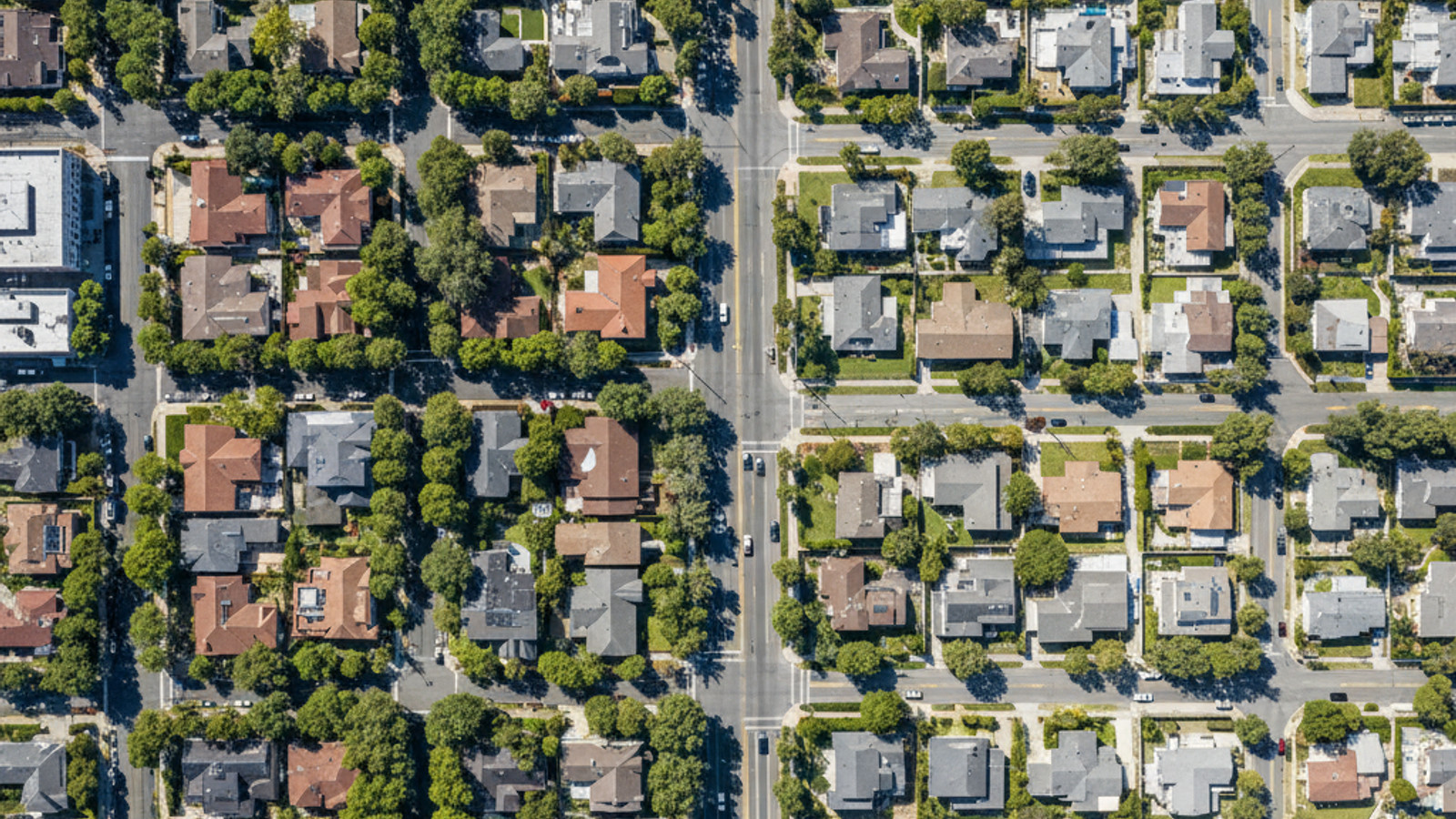
Navigating the Los Angeles County housing market requires a sharp understanding of local geography, especially when comparing Whittier vs East Whittier CA. While these two areas share a name and a general location, they offer distinct municipal structures, architectural styles, and daily living experiences. Buyers looking in this region often find themselves weighing the historic charm of the central city against the mid-century suburban layouts found further east.
As we move through the spring 2026 market, housing inventory remains tight across Southern California, making neighborhood selection more critical than ever. Understanding the subtle differences in property values, school district boundaries, and commute times can save buyers from costly missteps. This guide breaks down the geographical divides and market realities defining both areas today.
Understanding the Boundaries: Whittier vs. East Whittier
The geographical line between these two areas is distinct, with Gunn Avenue generally serving as the western border for East Whittier as it stretches toward neighboring La Habra and La Mirada. The core City of Whittier operates as a fully incorporated municipality with its own localized city services and civic center. In contrast, East Whittier includes a mix of incorporated neighborhoods and unincorporated pockets governed directly by Los Angeles County.
This municipal difference heavily influences the layout and character of each district. Uptown Whittier features a historic, grid-like street pattern that encourages pedestrian traffic and centralizes commercial activity. East Whittier developed later, resulting in winding suburban tracts, cul-de-sacs, and wider arterial roads designed primarily for automobile travel.
Buyers should prioritize their preference for civic infrastructure when choosing between the two. Purchasing a home in an unincorporated section of South Whittier or East Whittier means dealing with county agencies for zoning or permits rather than a local city hall. Ultimately, the choice comes down to whether a buyer prefers the structured, centralized governance of Whittier proper or the sprawling, mid-century design of the eastern neighborhoods.
Real Estate Market and Median Home Prices
The 2026 real estate landscape in this region is highly competitive, with the broader Whittier area seeing a median home price of approximately $820,000. Properties in East Whittier typically range from $815,000 to $899,000, depending on the exact neighborhood and lot size. Buyers will notice that price-per-square-foot benchmarks vary significantly based on the age and architectural style of the home.
Housing stock in Uptown Whittier is defined by early 20th-century architecture, including Craftsman, Victorian, and Spanish Colonial designs. These historic properties often feature smaller footprints but command premium prices due to their unique character and proximity to the central district. Conversely, East Whittier is dominated by 1940s to 1960s ranch-style homes sitting on larger, traditional suburban lots.
High-demand neighborhoods like Whittwood, Michigan Park, and Friendly Hills consistently draw multiple offers within days of listing. Friendly Hills, in particular, pushes well above the median price point due to its expansive lots and custom-built estates. For buyers prioritizing sheer square footage and yard space, East Whittier generally delivers better value for the investment.
Local Amenities, Parks, and Shopping
The retail and dining experiences in these two districts cater to entirely different preferences. Uptown Whittier operates as a pedestrian-friendly entertainment hub, lined with independent restaurants, boutique shops, and historic storefronts. Residents here benefit from a highly walkable environment where weekend outings rarely require a car.
East Whittier relies on auto-centric commercial corridors, most notably along Whittier Boulevard. The Whittwood Town Center anchors this eastern section, providing large-scale retail options, major grocery chains, and convenient parking layouts. While it lacks the historic ambiance of Uptown, the sheer convenience of these modern shopping centers is a massive draw for busy residents.
Both areas offer robust recreational facilities, but the Whittier Greenway Trail stands out as a major asset connecting the city. This paved trail provides excellent pedestrian and bicycle access across the region, linking various neighborhoods to parks and transit. Penn Park serves the central area with its scenic streams, while Parnell Park offers expansive green spaces and community facilities further east.
The clear takeaway for house hunters is to match their lifestyle to the local infrastructure. Those who value walking to a local coffee shop will gravitate toward Uptown. Buyers who prefer quick, vehicle-based access to big-box retail will find East Whittier far more practical.
Commute Times and Transportation
Accessing major Southern California employment hubs requires navigating different traffic patterns depending on your starting point. The driving commute to Downtown Los Angeles, located roughly 16 to 21 miles away, typically takes 35 to 55 minutes during peak morning hours. Living further east adds about ten minutes to this daily drive, which can be a deciding factor for daily commuters.
Highway access is a critical component of local real estate value. Both districts rely heavily on the 605, 5, and 60 freeways for travel into Orange County or the San Gabriel Valley. Arterial roads like Whittier Boulevard and Lambert Road serve as the primary east-west connectors, carrying traffic toward La Habra and handling heavy volume during rush hour.
Public transit options exist but remain time-consuming compared to driving. Taking a bus or rail connection into Downtown Los Angeles generally requires well over an hour of travel time. Buyers prioritizing a streamlined daily commute into LA should focus their search on the westernmost edges of Whittier proper to shave precious minutes off their route.
Schools and Educational Boundaries
Navigating public education boundaries is a critical step for buyers evaluating properties in this region. The area is divided into two distinct K-8 systems: the Whittier City School District and the East Whittier City School District. The Whittier City School District manages the western and central neighborhoods, while the eastern tracts fall under the East Whittier administration.
Despite this division at the elementary and middle school levels, the educational path eventually merges. Graduates from both K-8 districts filter directly into the shared Whittier Union High School District for grades 9 through 12. This shared high school system ensures a consistent secondary education experience regardless of which side of Gunn Avenue a property sits on.
Higher education also plays a role in the local landscape, anchoring the central district. Whittier College, a private liberal arts institution, sits near Uptown and contributes to the area's historic, academic atmosphere. Buyers must carefully verify the specific K-8 district lines on any property listing, as these boundaries do not always align perfectly with neighborhood names.
Frequently Asked Questions
Is East Whittier part of the City of Whittier?
The municipal boundaries are mixed, meaning only portions of East Whittier fall within the incorporated City of Whittier. Several neighborhoods in the eastern section are actually unincorporated areas governed directly by Los Angeles County. This distinction impacts which agency handles local services, zoning permits, and civic maintenance.
Are Whittier and East Whittier served by the same schools?
The region is split into two separate K-8 districts, with the Whittier City School District serving the west and the East Whittier City School District serving the east. However, both districts feed into the same secondary system. All high school students in the area attend the shared Whittier Union High School District.
Which area has older historic homes?
Uptown Whittier contains the highest concentration of historic properties, including early 20th-century Craftsman and Spanish Colonial designs. East Whittier was developed decades later, resulting in a housing stock dominated by mid-century ranch-style homes built between the 1940s and 1960s. Buyers seeking vintage architecture and walkable grid streets will strongly prefer the central city.
or another way