
Categories
Market UpdatesPublished May 21, 2026
Moving to Whittier CA: A Complete Relocation Guide for 2026

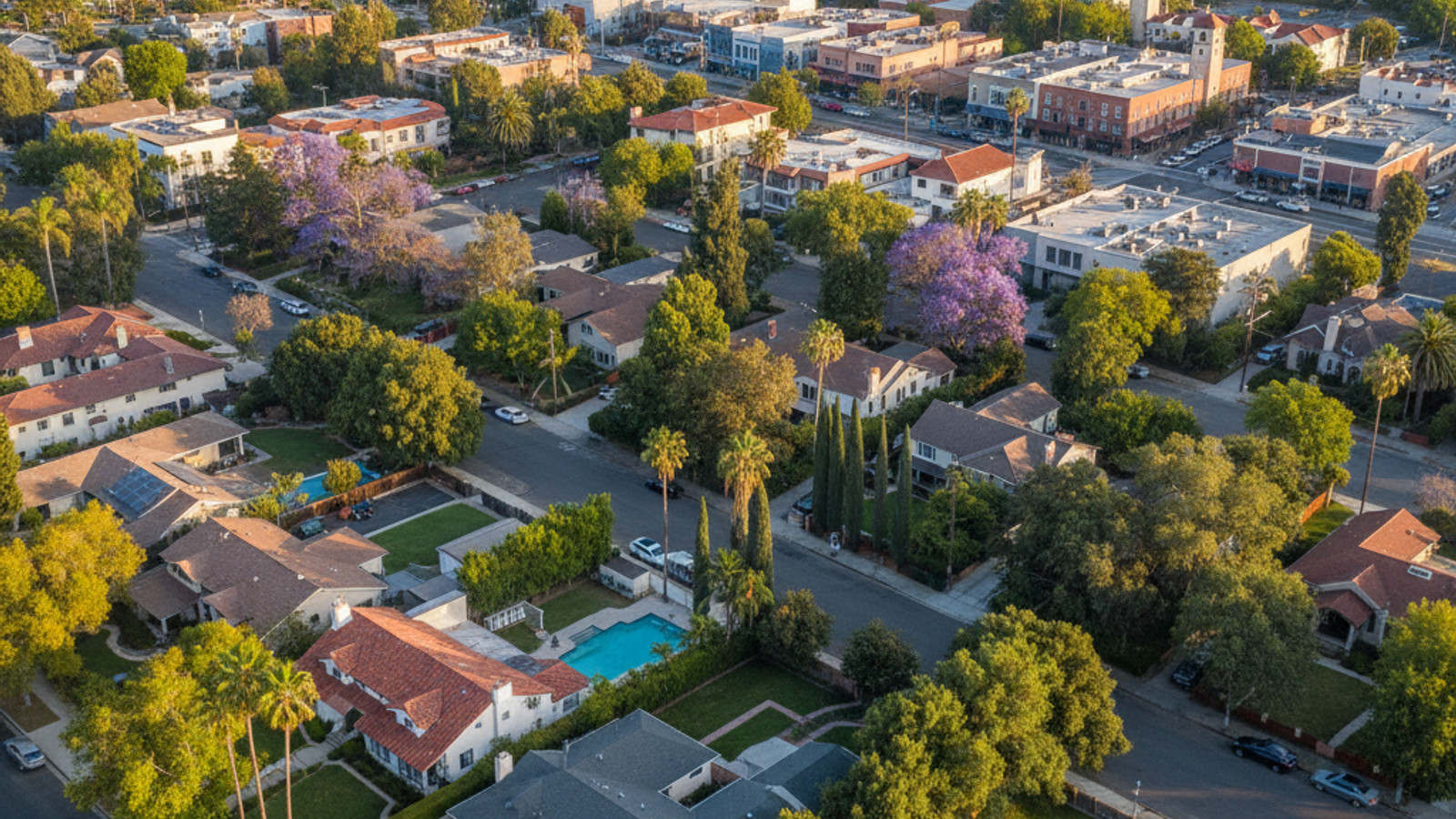
Relocating to Southern California requires balancing proximity to major employment hubs with the reality of local real estate costs. Prospective buyers evaluating moving to Whittier CA often find a distinct environment that bridges the gap between urban convenience and established residential architecture. The city sits strategically between major centers, offering a specific lifestyle for those who want access to diverse metro areas without living directly in the downtown core.
Making a confident real estate decision here means understanding the localized housing inventory, daily commute patterns, and regional pricing metrics. As we move through the spring of 2026, the local market presents unique opportunities and trade-offs compared to neighboring districts. This guide provides a straightforward, objective look at what to expect when purchasing or renting property in this corner of Los Angeles County.
Overview of Whittier's Location in Los Angeles County
Whittier occupies a highly strategic geographic position in Los Angeles County, situated just northwest of the Orange County border. This specific placement puts residents roughly 15 miles southeast of Downtown Los Angeles. The location offers a distinct residential environment while maintaining functional proximity to major regional employment centers.
Buyers look to this area when they want to access the broader Southern California economy without navigating the immediate density of the urban core. The city is bordered by communities like Pico Rivera and La Habra, creating a transition zone between two heavily populated counties. Ultimately, the location serves as a practical anchor for commuters who need to traverse multiple districts throughout the week.
The Whittier Real Estate Market and Cost of Living
The current real estate inventory in Whittier reflects a competitive market landscape typical of established Southern California suburbs. Buyers entering the market in 2026 will encounter consistent demand for well-maintained properties, particularly in historic districts. The overall cost of living here aligns closely with broader Los Angeles County averages, which remains significantly higher than the national average.
Navigating this market requires an understanding that daily expenses, utility rates, and housing costs carry a premium. While property values have historically held strong, buyers must factor these elevated carrying costs into their long-term budgets. Securing a property in this environment demands a clear assessment of individual financial parameters and localized pricing trends.
Median Home Prices and Property Types
The 2026 median home price in the city ranges from approximately $800,000 to $870,000, depending heavily on the specific neighborhood, condition, and lot size. List-to-sale price dynamics remain tight, meaning properties priced accurately tend to move quickly. Buyers will find a diverse mix of architectural styles, with historic homes heavily concentrated in the Uptown Whittier area.
Beyond the historic core, mid-century single-family houses are prevalent throughout the city's established neighborhoods. These properties typically feature moderate lot sizes characteristic of post-war Southern California development. For those seeking lower maintenance options, newer condominium developments offer an alternative entry point into the local housing market.
Average Rent Costs and Condominiums
Incoming residents opting to lease rather than buy will find an active rental landscape across both apartments and single-family homes. Average rent costs in 2026 typically range between $2,300 and $2,400 per month for standard apartment units. Leasing a single-family home or a larger property commands a higher monthly premium, often exceeding $3,500 depending on the square footage.
Rental condominiums serve as a practical middle ground for those wanting residential amenities without a long-term mortgage commitment. Rental rates vary noticeably based on the property's age, with newer developments and units closer to Uptown Whittier commanding top dollar. Renters should also budget for local utility structures, which frequently add several hundred dollars to monthly housing expenses.
Educational Landscape and Local Schools
The public education infrastructure serving the area is divided among several distinct districts based on geographic boundaries and grade levels. Elementary and middle school operations fall under the jurisdiction of the Whittier City School District and the East Whittier City School District. These districts manage multiple campus locations distributed throughout the residential neighborhoods.
Secondary education is administered separately by the Whittier Union High School District, which oversees the local high school facilities. In addition to the public school system, Whittier College operates as a notable, established higher education institution directly within the city limits. Residents also have access to various local community colleges in the surrounding region, providing extensive educational resources for the 2025-2026 academic cycles and beyond.
Transportation, Commute Times, and Highway Access
Regional mobility relies heavily on a network of controlled-access highways and major surface streets. The city is primarily served by Interstate 605 to the west and State Route 60 to the north, which act as the main arteries for regional travel. Navigating local traffic patterns along major corridors like Whittier Boulevard requires planning, as surface street congestion is a daily reality.
Commuting to Downtown Los Angeles during peak rush hour typically takes approximately 45 to 60 minutes or more, despite the relatively short 15-mile distance. Travel times into neighboring Orange County follow similar patterns, heavily influenced by departure times and freeway bottlenecks. For those navigating without a car, public transportation options include local bus lines and Metro connections that link to broader regional transit hubs.
Parks, Recreation, and Dining Amenities
The local quality of life is heavily supported by a variety of outdoor spaces and established commercial districts. Residents have access to extensive recreational infrastructure that breaks up the suburban density. The commercial core provides a concentrated hub of food and local retail that anchors the community.
Access to these amenities is a primary driver for real estate demand in the immediate vicinity. Properties located within walking distance of major parks or dining districts consistently command a premium in the current market. The city offers several distinct recreational and commercial highlights:
- The Whittier Greenway Trail serves as a premier local asset for biking, walking, and outdoor recreation across a multi-mile paved path.
- Pio Pico State Historic Park stands as a notable landmark offering preserved history and dedicated green space near the San Gabriel River.
- Uptown Whittier features a dense concentration of independent restaurants, coffeehouses, and boutique retail options.
- Surrounding hills provide direct access to regional hiking trails, offering elevated outdoor activities just minutes from residential zones.
Pros and Cons of Living in Whittier, CA
Relocating to any Southern California market requires a clear-eyed assessment of the objective trade-offs. Evaluating this specific area means weighing the geographic conveniences against the realities of regional pricing and traffic. Every prospective buyer must determine which metrics align best with their daily requirements and long-term financial goals.
The most successful real estate transitions occur when buyers understand exactly what a city offers and where it falls short. While the architectural diversity and location are strong draws, the financial and logistical hurdles are substantial. Here is a summary of the objective advantages and trade-offs based on current 2026 data:
- Pro: The city is centrally located between Los Angeles and Orange County, featuring distinct historic neighborhoods and varied architecture.
- Pro: Residents enjoy direct access to diverse local amenities, regional parks, and the established campus of Whittier College.
- Con: The overall cost of living and real estate pricing remain significantly higher than the national average.
- Con: Heavy daily traffic congestion results in extended commute times during peak rush hour periods across all major routes.
Frequently Asked Questions
What are the crime statistics in Whittier, CA?
Publicly available safety data indicates that crime statistics in the area generally align with broader Los Angeles County averages. Property crimes, such as vehicle theft or burglary, are the most commonly reported incidents across the commercial and residential districts. Prospective residents should review local municipal police reports to understand the specific geographic distribution of incidents in 2026.
Is Whittier, CA considered a wealthy area?
The city encompasses a wide economic spectrum, with median household incomes that generally outpace the national average. Local real estate values highlight this economic reality, as median home prices currently hover around $800,000 to $870,000. While certain historic neighborhoods feature high-value luxury properties, the broader municipality represents a solid middle-to-upper-middle-class economic profile.
What is the cost of living in Whittier, CA?
The cost of living here carries a significant premium, driven primarily by housing expenses and regional utility rates. Average rent costs sit between $2,300 and $2,400 per month, while daily expenses like groceries and transportation remain elevated. Incoming residents must budget for a localized cost index that is substantially higher than the national baseline.
or another way