
Categories
Market UpdatesPublished September 17, 2026
What to Expect From Home Staging in Whittier, CA for 2026

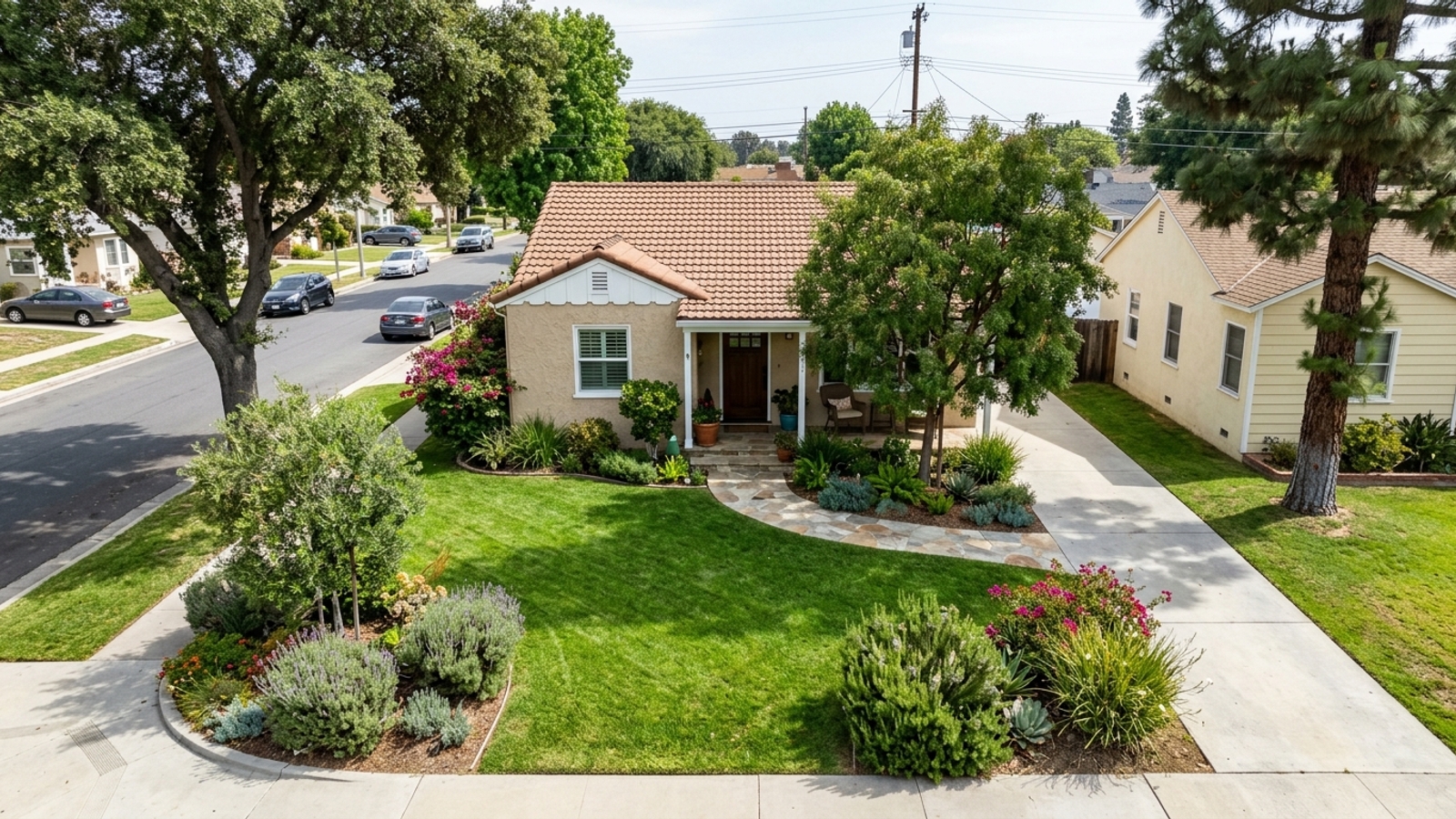
If you plan to sell a home in Whittier, CA, note that the median sale price sits at roughly $899,405 as of late summer 2026. Homes are averaging 42 days on the market, and with about three months of supply, buyers have enough options to walk away from anything that doesn't immediately feel right.
That said, nearly 48% of homes are still selling above list price - which tells you buyers will pay a premium when a property earns it. Staging is how you earn it. It shifts a buyer's experience from "I'm walking through someone else's house" to "I could actually live here," and that shift is worth real money.
Why Staging Your Whittier Home Matters for Sellers
The 2025 National Association of Realtors' Profile of Home Staging found that 49% of sellers' agents observed staging reduced a home's time on the market - 30% reported a slight decrease, and 19% saw a significant one. That's not a fringe opinion. It's the majority of working agents saying the same thing.
Does staging help homes sell faster?
Most buyers start online, and staged homes photograph better. Clean, defined spaces make people want to schedule a tour. Once they're through the door, a move-in-ready presentation tends to drive stronger open house foot traffic - which is exactly the environment where competing offers get written.
What staging changes about how buyers see a home
Empty rooms read smaller than they are, and buyers have trouble picturing their own furniture in a blank box. On the flip side, a house packed with someone else's personal clutter pulls attention away from the floor plan and the features you actually want buyers to notice. Staging threads the needle - it defines what each room is for without making the space feel like it already belongs to someone else.
What You Can Expect to Pay for Staging in Whittier
Costs swing pretty widely depending on your home's size, whether it's occupied or vacant, and whether you're renting furniture. Local market data from Fixr puts the typical cost to stage a house in Whittier at about $1,670 for one day of staging following an initial consultation, not including furniture rental.
Professional staging cost ranges
Marketplaces like Porch and Thumbtack show initial consultation fees running $150 to $600 in the area. Full staging in Whittier lands somewhere between $2,000 and $6,000 depending on square footage - that generally covers the design work, moving furniture in and out, and the initial setup.
Vacant vs. occupied staging cost
Vacant home staging in the Los Angeles metro costs noticeably more than the national average. Sources note minimum staging charges in the LA area can reach $5,000, with monthly furniture-rental fees typically ranging from $500 to over $2,000. A local staging company might quote a typical two- to three-bedroom vacant home at $7,500 to $9,500 for a four-month lease.
That's a real number. Budget for it accordingly.
DIY staging on a budget
If a full professional package is outside your budget, you can still buy just the consultation. A stager walks your home and hands you a specific list - what to pack away, what to clean, what to rearrange. You do the work yourself, and your total cost stays in that $150 to $600 range.
Choosing Between Professional and DIY Staging
The right call depends on your budget, your schedule, and what your current furniture looks like. Neither option is inherently better - it comes down to execution.
When it makes sense to hire a professional stager
Vacant properties and homes with dated furniture are the clearest cases for bringing in a professional. A staging company carries an inventory of modern, appropriately scaled pieces that appeal to broad buyer tastes - and they handle all the heavy moving, so you're not risking scuffs on freshly painted walls the week before photos.
A realtor-approved DIY staging checklist
If your furniture is neutral and in decent shape, you can run this yourself. Start by packing away every personal photograph, pile of daily mail, and small decorative item you've accumulated. Clear every countertop in the kitchen and bathrooms - leave at most one or two deliberate items, like a bowl of fruit or a clean hand towel. That's it. Restraint is the whole game.
Room-by-Room Staging Tips to Attract Buyers
Buyers make up their minds fast - often within the first few minutes of a tour. Your energy is best spent on the rooms they see first and linger in longest.
Living room and kitchen priorities
Pull living room furniture away from the walls and arrange it around a focal point - a fireplace, a large window, something with visual weight. In the kitchen, clear the refrigerator doors of magnets and get small appliances off the counters and out of sight.
Primary bedroom and bathrooms
The primary bedroom should feel calm. Crisp, neutral bedding and as much floor space as possible - if a dresser is eating up the room, store it off-site. Bathrooms need a deep clean, not just a wipe-down: re-caulk tubs if necessary, put all daily toiletries away, and hang fresh, matching towels.
Curb appeal and entryway
Buyers form an opinion before they open the front door. Power wash the driveway, trim anything overgrown, and put a fresh coat of paint on the front door. Inside the entryway, clear out the shoes and coats - that first step in should feel open, not like squeezing past someone's mudroom pile.
Handling Occupied Versus Vacant Properties
Selling a home you're still living in is a different logistical problem than selling an empty one. Both are manageable - they just need different systems.
Tips for staging while you still live there
You need a way to clean up fast before showings, because 30-minute notice happens. Keep empty laundry baskets somewhere accessible so you can sweep loose items into them and put them in your car on the way out. Renting an off-site storage unit for out-of-season clothes and excess furniture makes all of this easier and keeps the house looking staged between appointments.
When virtual staging makes sense for a vacant home
Virtual staging digitally adds furniture to photos of empty rooms - it costs a fraction of physical staging and gives online buyers something to respond to. The catch is that when they actually show up, the house is still empty. That contrast can make rooms feel smaller than they looked in the listing, which isn't the impression you want buyers carrying out the door.
Local Staging Companies Serving Whittier
Whittier sellers can draw from a broad pool of staging professionals working across the Los Angeles metro. When you're evaluating options, look at their portfolio first - their style should match your property's architecture, not work against it.
Who to call for staging services
Multiple local directories list top-rated stagers serving the Whittier area. Companies like Birch Homes, Stage To Amaze, AIR Studio, Caliza & Veta, AV Home Staging, Imagine This Staged, Luna Staging and Design, The Furniture Spot, Viano Decor, and Creative Home Furniture and Design regularly work with local sellers. Other well-rated options include 1st Stage Property Transformation, Showcase Properties & Design, and Passionate Palette Home Staging.
Home Staging FAQs
Does home staging help sell a house faster in Whittier?
Yes. Presenting a clear, move-in-ready layout helps prevent buyers from getting distracted by awkward floor plans or personal clutter. This clarity gives them the confidence to submit an offer without second-guessing the space.
How much does it cost to stage a house in Whittier, CA?
It depends on scope. A basic consultation runs $150 to $600. Full staging using your existing furniture costs roughly $2,000 to $6,000. Vacant home staging with furniture rental in the LA area can run from $7,500 to over $15,000 for a four-month lease.
How long does home staging take before I can list?
The physical work inside the house usually takes one to three days after your initial consultation. Give yourself a week or two of buffer between when the stager finishes and when your photographer shows up - you don't want to be rushing that part.
What's the difference between hiring a professional stager and DIY staging?
A professional brings their own furniture inventory and handles all the design and logistics. DIY means you use your own furniture, clear the clutter yourself, and execute a plan - typically one laid out during a professional consultation.
How should I stage a house I'm still living in vs. an empty one?
For an occupied home, the focus is deep cleaning, removing personal items, and putting excess furniture in off-site storage while you're on the market. For an empty home, you'll need to bring in appropriately scaled furniture so buyers can actually understand how each room functions.
What should I NOT do when staging my house?
Don't leave personal photographs, religious items, or political decor on display. Don't push all your furniture against the walls. And don't leave kitchen or bathroom counters covered in daily appliances and toiletries - buyers need to see the surfaces, not what you use every morning.
What is virtual staging, and is it enough for my listing in Whittier?
Virtual staging adds digital furniture to your listing photos, which helps generate interest online. But it doesn't solve the in-person problem - when buyers come to tour, the house is still empty, and that can make it harder for them to gauge room sizes at the open house.
Will the seller tell me about known problems with the house?
Yes, buyers receive formal documentation outlining any known physical defects or past issues with the property. These seller disclosures in Whittier give you a clear picture of the home's true condition before you finalize the purchase. This paperwork protects you from unexpected repair surprises after you take possession.
Who pays the administrative fees when finalizing the purchase?
Both parties have distinct expenses to cover at the end of the real estate transaction. While buyers handle their own mortgage and inspection fees, the seller closing costs in Whittier usually cover agent commissions and title transfer taxes. You can sometimes negotiate for the seller to pay a portion of your expenses as part of the purchase agreement.
or another way