
Categories
Market UpdatesPublished June 4, 2026
Understanding Property Valuation, Whittier, CA: A Guide for 2026 Buyers and Sellers

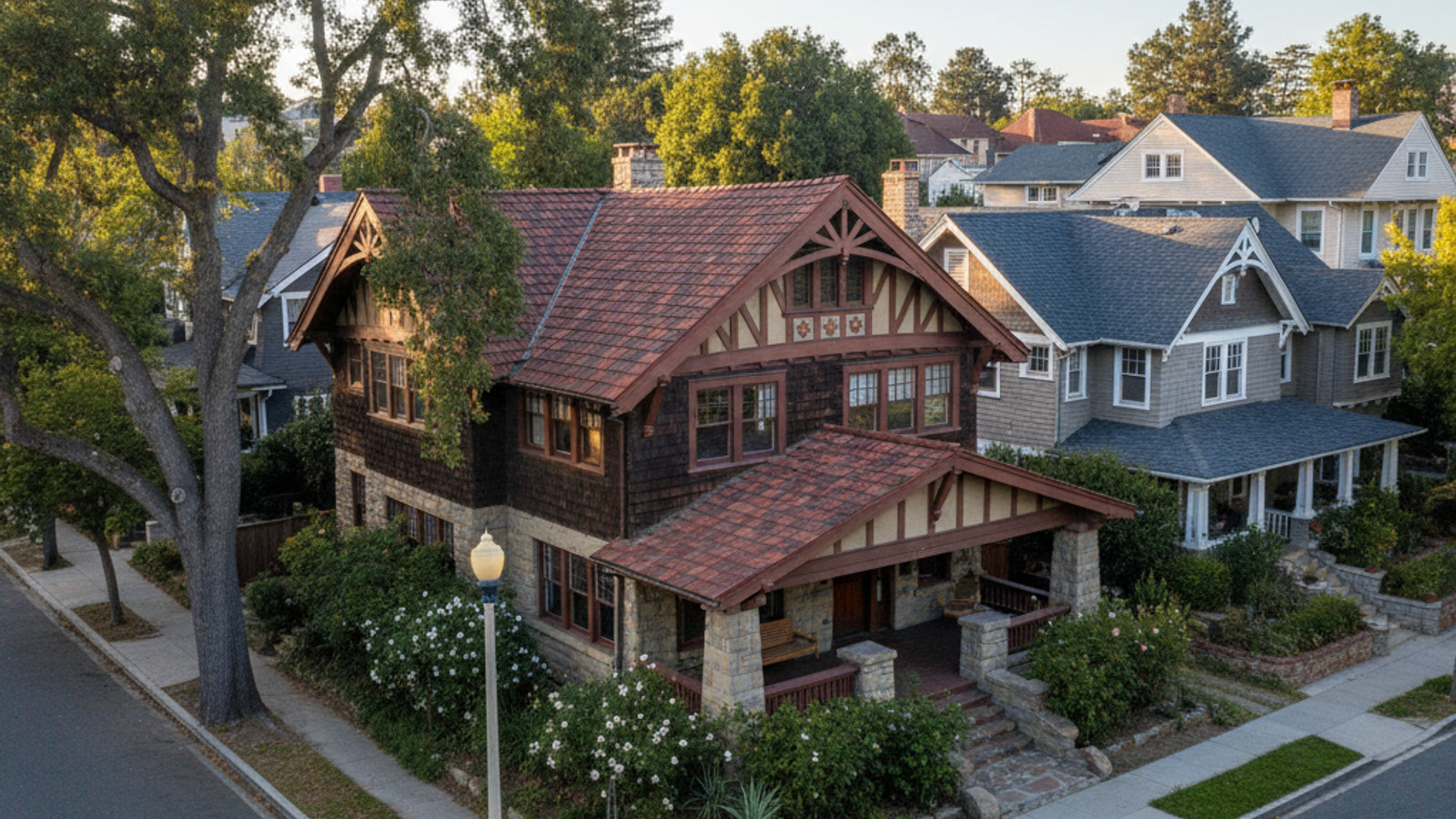
The median home price in Whittier has climbed to around $870,000 this spring. Buyers and sellers looking at the local market often find themselves confused by the different numbers attached to a single house.
A tax assessment, an automated online estimate, and an official bank appraisal all serve different purposes in a real estate transaction. Knowing how these numbers are calculated helps you price a home correctly or avoid overpaying on a purchase.
How Appraisers Determine Home Values Locally
Market value is simply what a willing buyer agrees to pay a willing seller on the open market. Appraised value is a specific number generated by a licensed professional to protect a mortgage lender's investment. Lenders use this formal appraisal to ensure the home provides sufficient collateral for the loan amount.
Automated valuation models, like Zillow's Zestimate, use public data algorithms to guess a home's worth. These online tools cannot see the condition of a kitchen or the quality of a recent roof replacement. A formal appraisal involves an in-person inspection and a detailed comparison with similar properties that recently sold nearby.
Local real estate agents provide a different tool called a comparative market analysis. Agents pull recent sales data from the Multiple Listing Service to help sellers set a realistic listing price. This analysis accounts for neighborhood nuances that automated tools miss.
Current Housing Market Data and Inventory Levels
As of May 2026, the median home price in Whittier sits between $847,000 and $870,000. Buyers are currently paying an average of $558 per square foot across the city. Homes spend an average of 41 to 44 days on the market before going under contract.
Understanding Property Valuation, Whittier, CA, requires looking at the available housing inventory. Available listings remain limited throughout Los Angeles County. Low active listing counts mean buyers often compete for the same few properties in their desired price bracket.
When a buyer offers more than the asking price, the property must still appraise for the agreed-upon amount if the buyer is using a mortgage. If the appraisal comes in low, the buyer must cover the difference in cash, renegotiate with the seller, or walk away from the deal.
Location Features That Impact Pricing
Appraisers look closely at a home's proximity to major commuter routes. Properties with easy access to the 605 and 60 freeways often carry a premium due to shorter drive times into downtown Los Angeles or Orange County. Homes situated right against the freeway noise barriers typically see a reduction in value.
Distance to commercial centers also impacts Property Valuation, Whittier, CA. Houses within walking distance of the Uptown Whittier commercial district command higher prices. Buyers prioritize easy access to the restaurants, shops, and entertainment options located along Greenleaf Avenue.
Nearby outdoor recreation spaces add measurable value to residential properties. Homes located near Penn Park or the Whittier Greenway Trail benefit from immediate access to green space and walking paths. Appraisers note these neighborhood amenities when comparing a subject property to recent sales.
Comparing Housing Types and Price Ranges
Whittier offers a mix of architectural styles, and each category performs differently in the current market. Historic Craftsman homes in the Uptown area often carry a 10 to 20 percent price premium over standard single-family houses. Buyers are willing to pay more for original woodwork, built-ins, and preserved architectural details.
Mid-century properties make up a large portion of the housing inventory in East Whittier. These traditional single-family homes generally range from $750,000 to $950,000. The lots in this area tend to be larger, which appraisers factor into the final valuation.
Newer condominium and townhome developments provide an entry point for buyers priced out of detached houses. These attached units trade at lower price points but come with monthly homeowner association dues. Appraisers factor these HOA fees into a buyer's purchasing power during the valuation process.
The Appraisal Process and Property Taxes
A licensed appraiser starts the valuation process with an on-site property inspection. They measure the exterior to verify the square footage, check the condition of the roof and foundation, and note any interior upgrades. The appraiser then compares these findings against three to six similar homes that recently sold in the immediate area.
Properties located within designated historic districts face specific valuation variables. These designations can restrict a homeowner's ability to modify the exterior or add square footage. While these rules preserve neighborhood character, appraisers must account for the limitations when calculating the home's worth.
Property taxes also shift when a home changes hands. Under California's Proposition 13, the base property tax is 1 percent of the purchase price. After factoring in local bonds and assessments, the effective tax rate in Los Angeles County typically lands between 1.21 and 1.25 percent.
The county assessor reassesses the property based on the new purchase price at closing. Buyers should budget for this new tax amount rather than relying on what the previous owner paid.
Preparing Your Home for an Appraisal
Homeowners preparing for a refinance or sale should take proactive steps before the appraiser arrives. The appraiser's time on site is brief, so presenting clear information helps ensure no value-adding features are missed. Organized sellers often see more accurate valuation results.
You cannot change your home's square footage or location, but you can control its presentation. Appraisers take photos of every room, and a clean, well-maintained property signals that the home has been cared for.
Consider the following steps to prepare for your appraisal:
- Document all recent home upgrades and repairs, including receipts for a new roof, HVAC system, or kitchen remodel.
- Resolve minor deferred maintenance issues, such as leaky faucets, peeling paint, or missing trim, before the inspection.
- Compile a list of recent comparable neighborhood sales to share with the appraiser upon their arrival.
Frequently Asked Questions
How much does a home appraisal cost in California?
A standard single-family home appraisal in California typically costs between $450 and $600. Prices can rise for multi-unit properties, luxury estates, or homes in remote areas. The buyer usually pays this fee as part of their closing costs.
What is the difference between appraised value and market value?
While market value is the actual dollar amount a buyer is willing to pay to win the house, the appraised value is an underwriter's safety net. Lenders cap their loan amounts based on the appraisal, regardless of how high a bidding war drives the final contract price. If the contract price exceeds the appraisal, the buyer has to make up the difference out of pocket.
Are property taxes reassessed when I buy a home in Whittier?
Yes, California law triggers a new tax assessment whenever a property transfers ownership. The county assessor will discard the previous owner's tax basis and calculate your new bill based on the exact price you paid for the home. Expect your annual property tax bill to equal about 1.25 percent of your total purchase price.
or another way