
Categories
Market UpdatesPublished May 21, 2026
Navigating the Market: Whittier vs Whittier Hills CA Real Estate in 2026

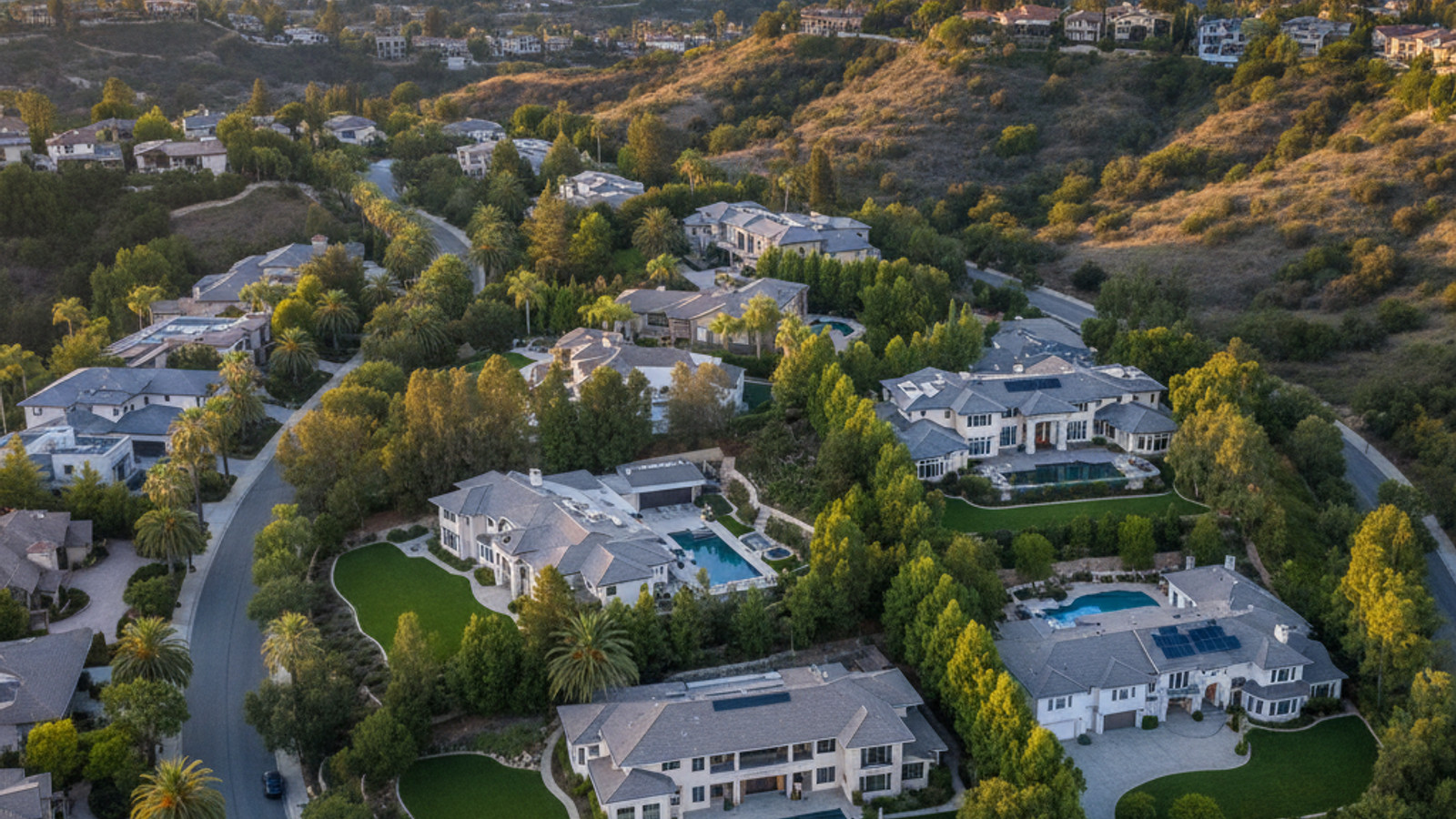
The Greater Los Angeles housing landscape offers a vast array of choices, but few areas provide the distinct geographic contrasts found in the eastern edge of the county. Buyers comparing Whittier vs Whittier Hills CA quickly discover that the boundaries here define entirely different property types and daily routines. Making the right choice requires understanding how elevation, lot size, and proximity to commercial centers shape the specific realities of each location.
Entering the spring 2026 market, both the central flatlands and the elevated hillsides present unique opportunities for prospective homeowners. The broader city limits feature historic districts and high walkability, while the hillside enclaves offer expansive lots and panoramic views. Navigating this local terrain means aligning your budget and daily commute with the physical landscape of Southern California.
Comparing the Whittier and Whittier Hills Real Estate Markets
The real estate market across this region remains highly competitive in 2026, driven by buyers seeking space without leaving Los Angeles County. Inventory in the broader city limits tends to move quickly due to lower barrier-to-entry price points and a dense concentration of residential neighborhoods. In contrast, the hillside properties operate in a luxury tier where homes stay on the market slightly longer but command premium valuations.
Choosing between these two sectors often comes down to a strict evaluation of budget and preferred property style. Buyers looking for classic early-20th-century architecture will find ample options in the central neighborhoods. Those prioritizing privacy, gated streets, and expansive square footage will naturally focus their search on the elevated terrain.
Median Home Prices and Property Types
As of early 2026, the median home price for the broader Whittier area ranges from approximately $800,000 to $870,000. This segment of the market features a mix of condominiums, townhomes, and single-family residences, including many preserved American Craftsman designs. These properties generally sit on standard suburban lots, offering efficient use of space near commercial corridors.
The Whittier Hills neighborhood commands a significant premium for its elevation and expansive parcels, with median prices sitting between $1,200,000 and $1,750,000 or more. Buyers here will find large single-family estates, many of which feature multi-car garages and private pools. Some hillside developments also incorporate monthly HOA fees, such as the approximate $80 per month found in communities like Spy Glass.
Geographical and Topographical Differences
The physical landscape fundamentally shapes the housing environment and property lines across the region. Central neighborhoods like Historic Uptown and Michigan Park feature a flatter, traditional grid layout. This topography supports high walkability, mature street trees, and straightforward property maintenance.
Moving east and north, the terrain transitions sharply into the sloping geography of the Puente Hills. This natural barrier defines the exclusive hillside enclaves, creating winding roads and variable property grades. The clear takeaway for buyers is that hillside living requires a trade-off - you gain expansive sightlines but lose the flat, walkable streets found lower in the valley.
Elevation, Views, and Lot Sizes
Properties situated in the higher elevations offer panoramic views of the Los Angeles basin and surrounding canyons. This visual advantage is a primary driver of the area's higher property values. The hillside topography also dictates street layouts, resulting in numerous cul-de-sacs and limited through-traffic.
Lot sizes present another stark contrast between the two zones. While central properties utilize compact suburban dimensions, many hillside lots exceed 10,000 square feet. These multi-tiered parcels frequently back directly into open hillsides, providing substantial distance between neighboring structures.
Key Amenities, Parks, and Recreation
Access to commercial zones and outdoor recreation varies significantly depending on your exact address. Residents in the central flatlands enjoy immediate proximity to Historic Uptown Whittier, a dense commercial district filled with local dining and retail options. This area supports a highly pedestrian-focused lifestyle where daily errands rarely require a car.
The hillside areas shift the focus entirely from urban amenities to immediate outdoor recreation. While residents here must drive down the hill for groceries or dining, they gain direct access to extensive natural reserves. Buyers must decide if they prefer walking to a local cafe or stepping out their front door onto a rugged dirt path.
Access to Trails and Uptown Whittier
The region offers distinct recreational facilities that cater to different activity levels. Proximity to these sites often influences neighborhood selection for active buyers.
- Turnbull Canyon provides rugged, unpaved hiking and mountain biking routes directly accessible from the upper elevations.
- The Hellman Park Trailhead serves as a primary entry point into the Puente Hills preserve, offering steep inclines and sweeping basin views.
- The Whittier Greenway Trail features a 5-mile paved path connecting various lower-elevation neighborhoods, ideal for flat-terrain cycling and jogging.
Commute Times to Los Angeles and Employment Hubs
Transportation logistics play a crucial role in evaluating property options in this part of Southern California. Located roughly 12 to 15 miles from Downtown Los Angeles, the area sits strategically between major employment centers in LA and Orange County. However, the exact distance to major arterial roads shifts depending on your neighborhood.
Living further up in the elevated terrain adds localized driving time before reaching any major highway. Navigating the winding residential streets can add ten to fifteen minutes to a daily commute just to reach the base of the hill. Buyers must factor this surface street traffic into their daily transit calculations.
Navigating the 605 and 60 Freeways
The region is primarily served by several controlled-access highways, including the 605, 60, and 5 freeways. During off-peak hours, the drive to Downtown Los Angeles typically takes a manageable 25 to 35 minutes. This makes midday travel relatively straightforward for hybrid workers or those with flexible schedules.
Rush hour traffic dramatically alters these transit times. A standard morning or evening commute to the downtown core generally requires 45 to 60 minutes, and often longer during heavy congestion. Understanding these specific freeway bottlenecks is essential for professionals planning a daily office commute.
Local School Districts Serving the Area
The educational jurisdictions mapping to this municipality operate under a multi-district structure rather than a single unified system. Exact district assignment depends heavily on the specific street address and zip code of a property. A home on one side of a street may map to an entirely different district than a home directly across from it.
This complex zoning means buyers cannot make assumptions based purely on the general neighborhood name. The most critical takeaway is to verify attendance boundaries directly with the county or through current MLS data before submitting an offer. Relying on outdated maps can lead to unexpected enrollment assignments.
Public Education and District Boundaries
Three primary entities manage public education across the different geographical zones. These boundaries intersect across both the flatlands and the elevated neighborhoods.
- The Whittier City School District covers the central and western zones for elementary and middle school education.
- The East Whittier City School District manages primary education boundaries for the eastern sectors and the hillside areas.
- The Whittier Union High School District oversees secondary education across the entire region, encompassing campuses like La Serna High School.
Frequently Asked Questions
Is Whittier Hills its own separate city?
No, it is not an independently incorporated city. It operates as a specific geographic neighborhood within the broader Whittier city limits. Residents utilize the same municipal services and zip codes as the rest of the town.
Are there HOA fees in the Whittier Hills neighborhood?
Yes, many of the planned developments and gated streets in the elevated areas carry monthly homeowners association dues. For example, communities like Spy Glass feature monthly fees of approximately $80 to cover common area maintenance. Buyers should review these specific carrying costs during the disclosure period.
Does Whittier have a transfer tax?
The city does not currently levy its own municipal documentary transfer tax on top of the county rate. Sellers are only responsible for the standard Los Angeles County transfer tax of $1.10 per $1,000 of the sale price. This provides a slight closing cost advantage compared to neighboring cities with additional municipal taxes.
or another way